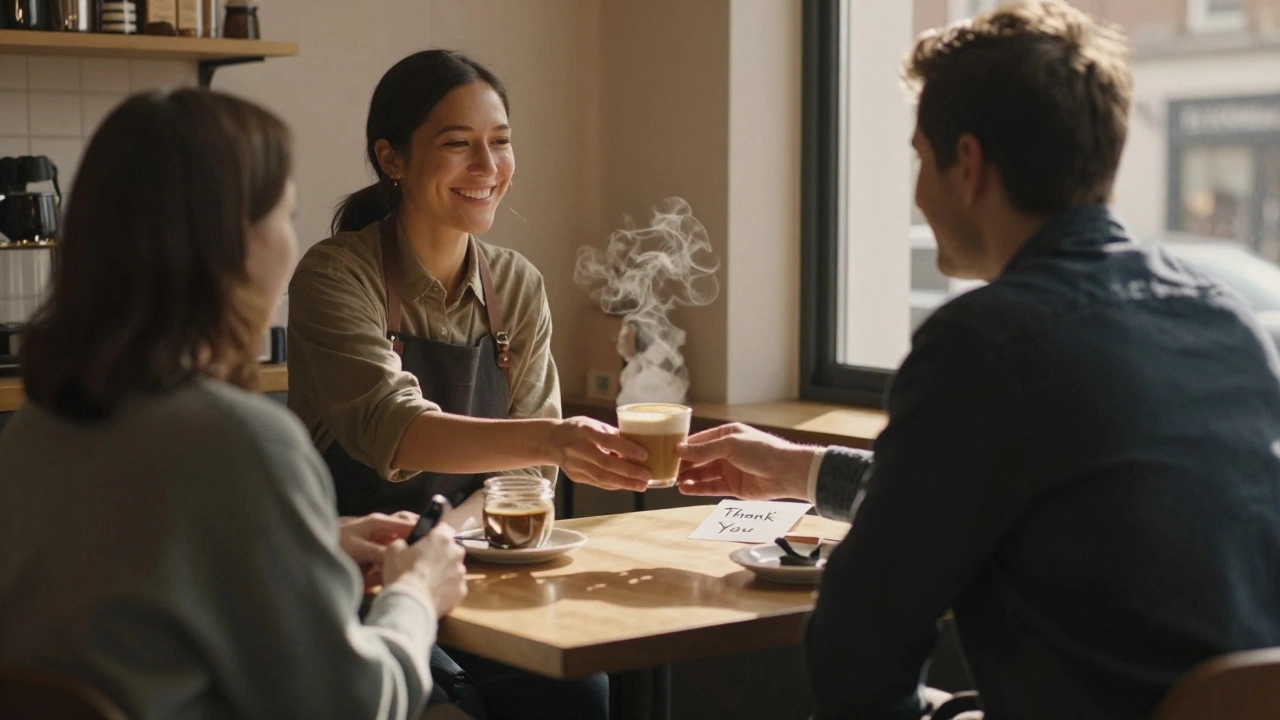
People ask, "What is the tip?" like it’s a secret code. But the truth is, most of the time, it’s just plain advice-simple, practical, and often ignored. You’ve heard it before: "Tip your server," "Tip your mechanic," "Tip your hairstylist." But what does it really mean when someone says "the tip"? It’s not magic. It’s not a trick. It’s a gesture. A way to say thank you when service goes beyond the minimum.
Some folks confuse tips with mandatory fees. They think if they don’t leave something extra, they’re being cheap. Others believe tips are the only way service workers survive. And while that’s true in places like the U.S., it’s not universal. In Japan, tipping can actually offend. In the UK, service charges are often built into bills. But if you’re looking for a specific kind of service experience-like girl escort uk-you’ll find that expectations around compensation vary wildly depending on context, culture, and legality. That’s why understanding the tip isn’t just about money. It’s about boundaries, respect, and clarity.
Where Did Tips Even Come From?
The word "tip" didn’t start as a payment. It came from 17th-century English slang, meaning "to give a small gift." Back then, it was common for patrons to slip coins to servants after a meal-not because they were required to, but because they wanted to reward good behavior. Over time, it turned into a system. By the 1800s, restaurants in America started using tips to avoid paying fair wages. That’s the ugly truth behind the modern tipping culture: it wasn’t designed to be generous. It was designed to shift payroll costs onto customers.
Today, that system still holds. In many states, servers earn as little as $2.13 an hour, with the assumption that tips will make up the difference. But what happens when customers don’t tip? Or when they tip poorly? Workers don’t get paid more. They get stressed. They get burned out. And they start to resent the very people they’re trying to serve.
It’s Not Just About Money
Think about the last time you got great service. Maybe your barista remembered your name. Maybe your cab driver gave you honest directions instead of taking the long route. Maybe your hairdresser noticed you were having a bad day and just listened. That’s not part of the job description. That’s human connection. And that’s what tips are supposed to reward.
But here’s the problem: we’ve turned tipping into a performance review. If you leave $5 on a $20 coffee, you’re not just saying "thank you." You’re saying "you didn’t do enough." And that’s unfair. Service isn’t always perfect. Sometimes the kitchen is backed up. Sometimes the host is overwhelmed. Sometimes the person serving you is just having a rough day. A tip shouldn’t be a punishment for human imperfection.
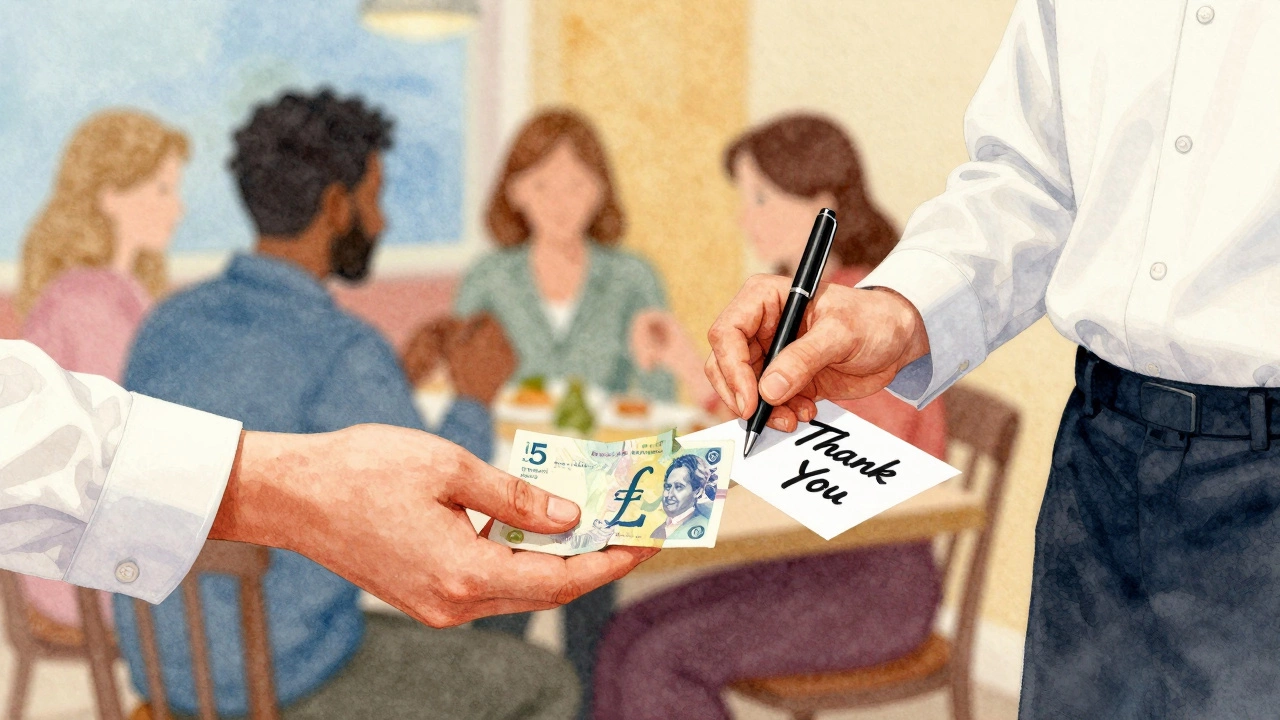
What Counts as a Good Tip?
There’s no universal rule. But here’s a practical baseline:
- 15% for average service
- 18-20% for good service
- 25% or more for exceptional service
That’s the standard in most U.S. restaurants. But it’s not law. It’s a guideline. And it doesn’t apply everywhere. In a coffee shop? $1-$2 is fine. At a grocery store? Not expected. At a hotel? Bellhops and housekeepers appreciate it, but don’t expect a tip for the front desk clerk unless they went way beyond.
And don’t forget: digital tips are real. If you pay with a card and the screen asks for a tip, you’re not being tricked. You’re being given a chance to acknowledge effort. If you don’t want to tip, say so. But don’t pretend you didn’t see the option.
Why Some People Hate Tipping
Not everyone believes in it. Some restaurants have moved to service-included pricing. They pay their staff a living wage and charge a flat rate. Customers don’t have to guess. Workers don’t have to beg. And the experience feels more honest.
That model is growing. Places like Sweetgreen, Shake Shack, and even some high-end restaurants in New York and San Francisco have dropped tipping. And guess what? Customers haven’t fled. In fact, many say they prefer it. No guilt. No math. Just a fair price for a fair service.
So if you’re tired of the pressure, you’re not alone. You’re part of a quiet movement toward transparency. And that’s okay.
When Tipping Gets Weird
Let’s be real-some situations make tipping feel awkward. What if you’re at a bar and the bartender gives you free drinks? What if your tour guide goes out of their way to show you hidden spots? What if you’re at a massage place and the therapist spends 30 extra minutes on your shoulders?
That’s where context matters. A good rule of thumb: if someone went beyond what’s written in their job description, a tip is a thoughtful way to say you noticed. It doesn’t have to be big. $5-$10 can mean a lot. And sometimes, a handwritten note means more.
There’s also the dark side. Some industries use tips to mask exploitation. That’s why you’ll hear terms like uk glamour girls escort or euro escort uk floating around. These aren’t service industries in the traditional sense. They operate in legal gray zones. And while some people use those terms casually, they’re not the same as tipping a waitress. One is about human connection. The other is about transactional relationships with serious legal and ethical risks.
What You Should Do Instead
You don’t need to tip to be kind. You can say "thank you." You can smile. You can ask how their day is going. You can leave a positive review. You can recommend them to a friend. These things matter. They’re free. And they’re powerful.
If you want to support workers, tip when it feels right. But don’t let it become a chore. Don’t let it become a weapon. Don’t let it replace fair wages. And if you’re in a place where tipping isn’t expected, don’t force it. Respect the culture.
At the end of the day, the tip isn’t the point. The point is recognizing effort. The point is seeing people-not just roles. The point is treating others the way you’d want to be treated when you’re tired, overworked, and just trying to get through the day.
Trenton Whitworth
Hi, I'm Trenton Whitworth, a sports enthusiast with a passion for tennis. I've been studying and analyzing various sports for over a decade, with a particular focus on tennis. I love sharing my knowledge and insights through writing and have contributed to several publications. My goal is to help others better understand the game and inspire them to enjoy it just as much as I do. I believe that staying active and engaged in sports can lead to a healthier and happier life.